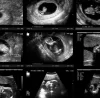



Pregnancy is a time of anticipation, excitement, and hope for the best possible outcome for both mother and child. Early detection and vigilant monitoring are the hallmarks of modern prenatal care, and perhaps the most valuable tool in this endeavor is the anomaly scan. High-tech anomaly scans provide a clear picture of fetal development, ensuring timely intervention when needed and reassuring parents during this pivotal time.
What is an Anomaly Scan?
An anomaly scan, or mid-pregnancy ultrasound, is usually done between 18 and 22 weeks of pregnancy. This specialized ultrasound assesses fetal anatomy in minute detail, looking for structural defects and developmental anomalies. Unlike routine ultrasounds, which primarily confirm pregnancy and growth, anomaly scans specifically evaluate organs, limbs, brain, spine, and heart, enabling early detection of potential issues.
Importance of Advanced Imaging During Pregnancy
Advanced anomaly scans use high-resolution imaging and often include Doppler studies to assess blood flow and overall fetal well-being. The advantages of such precise imaging are significant:
Early Detection of Congenital Abnormalities
Advanced scans can detect structural defects like heart defects, cleft lip, neural tube defects, or kidney abnormalities. Early detection allows parents and doctors to plan for treatment or surgical interventions immediately after birth. Additionally, the scans assess fetal growth, amniotic fluid volume, and placental function, detecting complications such as growth restriction or placental insufficiency.
Evaluating High-Risk Pregnancies
Women with high-risk pregnancies due to maternal age, pre-existing medical conditions, or previous pregnancy complications benefit significantly from advanced anomaly scans. Detailed evaluation provides crucial insights to guide and minimize risks during pregnancy.
Offering Peace of Mind to Parents
Pregnancy can be stressful, especially for first-time parents. Advanced anomaly scans provide high-resolution images of the baby, reassuring parents that development is progressing normally and allowing early emotional bonding.
How Advanced Anomaly Scans Work
During the scan, a sonographer or radiologist uses high-frequency sound waves to create images of the fetus. The images are carefully analyzed for developmental abnormalities. Doppler studies can simultaneously assess blood flow to vital organs, helping detect issues such as heart defects or placental insufficiency.
At specialized centers like Insight Imaging & Bone, Joint & Spine Clinic, scans are conducted with state-of-the-art equipment by experienced professionals, ensuring precise results and accurate interpretation for informed decision-making.
Advantages of Selecting an Experienced Radiologist
The accuracy of an anomaly scan depends on the expertise of the radiologist and the quality of the imaging equipment. Specialists like Dr. Snehal Suryawanshi, with extensive experience in obstetric imaging and additional certifications, ensure even minor abnormalities are detected. Her expertise in NT scans, anomaly scans, and obstetric Doppler studies maximizes the accuracy of prenatal testing, providing crucial information for timely medical decisions.
Conclusion
High-definition anomaly scans have become an essential part of modern prenatal care. By offering detailed insights into fetal development, detecting potential abnormalities early, and supporting management of high-risk pregnancies, these scans safeguard both maternal and fetal health. Expectant parents can be confident that advanced imaging technology combined with expert care is the key to a safe and healthy pregnancy.
Dr. Snehal Suryawanshi – Insight Imaging & Bone & Spine Clinic
107 B Square, Barne Corner, Opposite Hotel Atithi Pure Veg, Thergaon, Pune