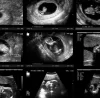



Chronic conditions such as diabetes, hypertension, cardiovascular disease, and kidney disorders are becoming increasingly common in today’s lifestyle. These illnesses often progress silently, and complications may develop long before symptoms appear. Regular diagnostic imaging plays a vital role in detecting these changes early, enabling timely treatment and effective disease management.
The Role of Diagnostic Imaging in Chronic Disease Management
Diagnostic imaging uses non-invasive technologies like ultrasound, digital X-rays, CT scans, MRI, and Doppler studies to visualize internal organs, tissues, and blood flow. These imaging methods help doctors understand how the body is functioning and guide treatment decisions to prevent complications.
For example, in diabetic patients, long-term complications can affect blood vessels, kidneys, and the heart. Regular imaging, such as abdominal Doppler scans or 2D echocardiography (ECHO), can identify early changes. Early detection allows doctors to adjust treatment plans, preventing disease progression and improving the patient’s quality of life.
Early Detection of Cardiovascular Complications
Heart-related complications are among the most serious risks in chronic illnesses. Conditions like diabetes and hypertension can damage the heart and blood vessels over time.
- 2D ECHO: Helps assess heart structure and function, detecting valve issues, reduced pumping efficiency, or early signs of heart failure.
- Doppler Studies: Measure blood flow in arteries and veins, identifying blockages or narrowing before they become severe.
Detecting cardiovascular problems early allows timely interventions, reducing the risk of heart attacks, strokes, or other serious outcomes.
Monitoring Kidney and Abdominal Health
Chronic diseases often impact the kidneys and abdominal organs. Ultrasound and Doppler imaging help monitor organ size, blood flow, and overall health.
Patients with long-standing diabetes or high blood pressure are more prone to kidney damage. Regular imaging helps identify reduced kidney perfusion or structural abnormalities at an early stage, allowing doctors to modify treatment and prevent long-term kidney failure.
Managing Chronic Joint and Musculoskeletal Problems
Conditions like rheumatoid arthritis, osteoarthritis, and metabolic disorders can cause progressive joint and spine degeneration. Digital X-rays and advanced imaging techniques allow doctors to detect bone density loss, joint space narrowing, and early deformities.
Identifying these issues early enables timely interventions such as physiotherapy, medication, or surgical planning — helping patients avoid chronic pain and disability.
Supporting Maternal Health in Chronic Conditions
Pregnant women with chronic conditions like hypertension or gestational diabetes require continuous monitoring to ensure maternal and fetal well-being. Imaging tools such as anomaly scans, fetal cardiac 2D ECHO, and obstetric Doppler studies play a key role in this process.
These tests help detect complications like fetal growth restriction, heart defects, or placental circulation problems early. With prompt diagnosis, healthcare providers can take necessary measures for a safer pregnancy and healthier delivery.
Benefits of Regular Diagnostic Imaging
Routine imaging provides multiple advantages for individuals with chronic diseases:
- Early Detection: Identifies complications before symptoms appear.
- Targeted Treatment: Imaging results help tailor treatments for better outcomes.
- Non-Invasive: Most imaging techniques are safe, painless, and risk-free.
- Reduced Hospitalizations: Preventing complications minimizes emergency visits.
- Enhanced Quality of Life: Timely intervention helps patients stay active and independent.
Choosing the Right Imaging Center
Accurate diagnosis depends on both the expertise of the radiologist and the quality of imaging equipment. Selecting a clinic with modern technology and experienced professionals ensures precise results, effective monitoring, and superior patient care.
Conclusion
Regular diagnostic imaging is essential for effective chronic disease management. It enables early detection of complications, supports timely medical intervention, and helps prevent disease progression — ultimately improving overall health and quality of life.
Dr. Snehal Suryawanshi – Insight Imaging & Bone, Joint & Spine Clinic
107 B Square, Barne Corner, Opposite Hotel Atithi Pure Veg, Thergaon, Pune, Maharashtra