

Radiology has revolutionized the way medical conditions are diagnosed and treated. From X-rays to CT scans and mammography, imaging plays a crucial role in identifying diseases early and ensuring effective treatment plans. Yet, despite these life-saving benefits, many people still fear radiation. Words like “radiation exposure” often trigger anxiety and uncertainty — leading patients to delay or refuse necessary scans.
In reality, most medical imaging procedures involve safe and controlled levels of radiation. The risk of avoiding timely diagnosis is often much greater than the small risk associated with most imaging tests. Understanding the truth behind radiation exposure can help patients make confident decisions about their healthcare.
Myth 1: Medical Imaging Exposes You to Dangerous Levels of Radiation
Fact: Most imaging tests use very low and medically safe radiation levels.
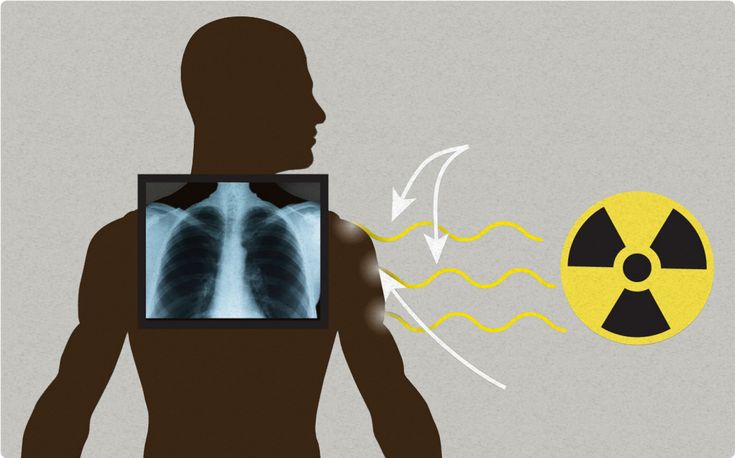
The amount of radiation in a standard X-ray is extremely small — usually equivalent to just a few days of natural environmental radiation. CT scans expose patients to higher levels compared to X-rays, but they are still carefully controlled based on need, age, and health. For the majority of patients, the diagnostic benefits far outweigh the radiation risk.
Myth 2: Every Test Involving Radiation Increases Cancer Risk Significantly
Fact: The increase in cancer risk from medical imaging is extremely small and often negligible.
Research shows that modern imaging systems are designed to minimize exposure while maintaining high-quality results. Advanced machines now use “low-dose technology,” meaning radiation levels are reduced without compromising diagnostic accuracy. Doctors recommend scans only when necessary — so if your radiologist suggests one, it likely plays a crucial role in your health evaluation.
Myth 3: MRI and Ultrasound Also Expose You to Radiation
Fact: MRI and Ultrasound do not use radiation at all.
This is one of the most common misconceptions.
- MRI uses magnetic fields
- Ultrasound uses sound waves
Both are completely free from ionizing radiation. Pregnant women and children often undergo these scans because they are safe and non-invasive.
Myth 4: Children Should Avoid Imaging Scans Because They Are More Sensitive
Fact: Imaging for children is safe when properly indicated and optimized.
Paediatric radiology follows the principle of “ALARA” — As Low As Reasonably Achievable — ensuring minimum exposure with maximum diagnostic benefit. When imaging is required for a child, it is usually essential for diagnosing fractures, infections, congenital conditions, abdominal pain, or neurological problems.
Avoiding a necessary scan can be far more harmful than undergoing one.
Myth 5: Once You Get a Scan, You Should Wait Years Before Taking Another
Fact: There is no mandatory waiting time if additional imaging is medically needed.
Doctors sometimes need multiple scans to monitor treatment response or evaluate disease progression. Radiologists track cumulative exposure to ensure it remains within safe limits. Technology advancements now allow reduced doses even with repeated scans.
Myth 6: Radiation Exposure from Medical Imaging Stays in the Body Forever
Fact: Radiation does not remain in the body after the scan ends.
Many patients wrongly assume that radiation lingers in their organs or tissues. In reality, once the imaging procedure is completed, the radiation does not stay inside the body. It does not make you “radioactive” or contagious.
Myth 7: Pregnant Women Should Never Get Imaging Scans
Fact: Some scans are fully safe during pregnancy, while others are done only when necessary.
Ultrasound and MRI are widely considered safe in pregnancy. In special situations like trauma or suspected blood clots, even X-rays and CT scans may be recommended — carefully planned using protective shielding to keep the baby safe.
Doctors assess the risk-benefit ratio thoroughly before suggesting imaging for pregnant women.
How to Stay Safe While Getting Imaging Tests
Follow the guidance of your physician or radiologist
Inform your doctor if you are pregnant or may be pregnant
Keep previous reports handy to avoid unnecessary repeat scans
Choose certified diagnostic centres with qualified radiologists and advanced technology
When used appropriately, radiology is one of the most powerful and safe healthcare tools.
Conclusion
Understanding myths and facts about radiation exposure helps eliminate fear and encourages timely diagnosis. Radiology today is safer than ever, with advanced machines designed to deliver the lowest radiation needed for accurate results. Choosing the right imaging centre ensures both safety and precision.
Clinics like Insight Imaging & Bone & Joint Clinic use advanced equipment and evidence-based protocols to ensure safe imaging practices. Patients can visit Dr. Snehal Suryawanshi at Insight Imaging & Bone & Joint Clinic, 107, B Square, Barne Corner for expert imaging services where accurate diagnosis and patient safety are the top priorities.