


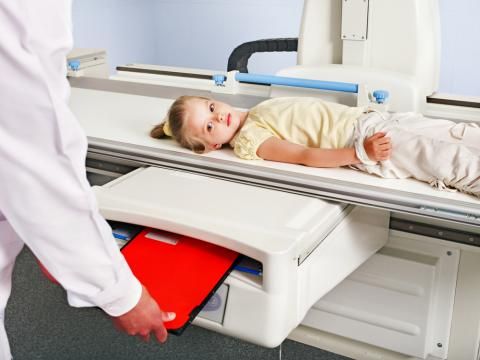
Is Radiation from X-ray Harmful? Facts vs Myths
Introduction
X-rays are one of the most commonly used tools in modern medicine. They help doctors quickly diagnose problems like fractures, chest infections, dental issues, and many internal conditions—without the need for surgery.
Even though X-rays are extremely useful, many people feel anxious about radiation exposure. The truth is, X-ray radiation is often misunderstood. In most cases, the amount used in medical imaging is very low and carefully regulated. Knowing the facts can help reduce unnecessary fear and ensure you don’t delay important tests.
What Exactly is X-ray Radiation?
X-rays are a form of electromagnetic energy, similar to visible light but much more powerful. This high energy allows them to pass through the body and create detailed images of internal structures.
Different parts of the body absorb X-rays differently:
- Bones absorb more and appear white
- Soft tissues show up in shades of gray
- Air-filled spaces appear dark
This contrast helps doctors clearly identify injuries and diseases.
Myth 1: X-rays Are Very Dangerous
Fact:
The radiation used in routine X-rays is very small and tightly controlled. In fact, a single X-ray often exposes you to radiation similar to what you naturally receive from your surroundings over a few days.
Today’s machines are designed to use the lowest possible dose while still giving accurate results, making X-rays safe when used appropriately.
Myth 2: X-rays Can Cause Cancer Instantly
Fact:
The chance of developing cancer from a single X-ray is extremely low. Health risks are usually linked to long-term exposure to high levels of radiation—not occasional medical imaging.
Doctors only recommend X-rays when necessary, and the benefits of early diagnosis almost always outweigh the minimal risk involved.
Myth 3: It’s Better to Avoid X-rays Completely
Fact:
Avoiding an X-ray when it’s needed can actually be more harmful. X-rays play a crucial role in detecting conditions such as:
- Bone fractures and joint injuries
- Lung infections like pneumonia
- Dental problems
- Spine and arthritis issues
- Internal injuries after accidents
Without proper imaging, these conditions may worsen or go untreated.
Myth 4: Radiation Stays in the Body
Fact:
This is a very common misconception. X-ray radiation does not remain in your body after the scan.
Exposure only happens during the procedure. Once the machine is turned off, there is no lingering radiation, and you do not become radioactive.
How Much Radiation Do X-rays Use?
The radiation dose in most X-rays is very low. In fact, it is often compared to the natural background radiation we are exposed to daily through:
- Sunlight
- Air and soil
- Food and water
For routine tests, the exposure is minimal and considered safe.
Safety Measures During X-rays
Modern diagnostic centers follow strict safety protocols, such as:
- Using low-dose radiation techniques
- Focusing only on the required body area
- Providing lead aprons for protection when needed
- Minimizing exposure time
These steps ensure maximum safety for every patient.
Who Should Take Extra Precautions?
While X-rays are generally safe, extra care is taken in certain situations:
- Pregnant women, especially in early stages
- Young children, as their tissues are still developing
- Patients needing frequent imaging
In such cases, doctors may suggest alternatives like ultrasound or MRI when suitable.
Why X-rays Are Still Important
The biggest advantage of X-rays is quick and accurate diagnosis. They help doctors:
- Identify problems early
- Start treatment without delay
- Prevent complications
- Track recovery
In emergencies, X-rays can even save lives.
Conclusion
X-ray radiation is often surrounded by myths, but the reality is reassuring. Diagnostic X-rays use very low and controlled levels of radiation, making them safe for most patients.
With advanced technology and strict safety measures in place, the risk is minimal compared to the significant benefits. If your doctor advises an X-ray, it’s because it plays an important role in diagnosing and managing your health effectively.
Insight Clinic (Dr. Snehal Suryawanshi)
INSIGHT IMAGING & BONE, JOINT & SPINE CLINIC
Shop No. 107–110, B-Square, Barne Corner, Opposite Atithi Pure Veg, Thergaon, Pune, Maharashtra 411033
Mobile no.: +919511763474