


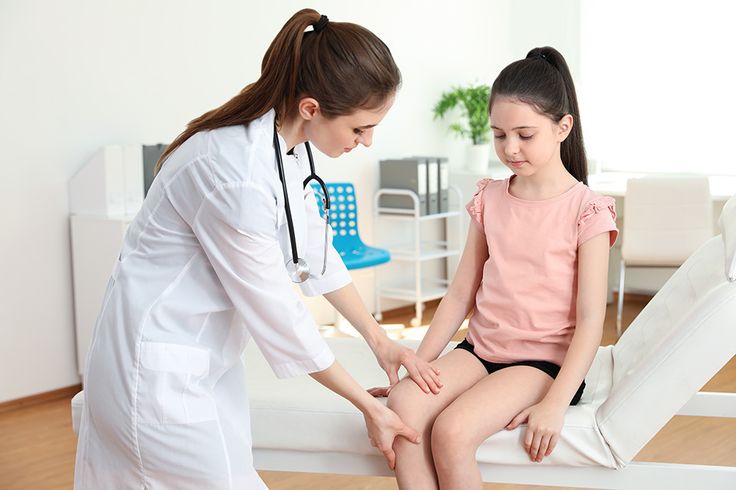
Pediatric Orthopedic Treatment: Common Child Bone Problems, Signs & Best Care Options
Children are not small adults—especially when it comes to bones and joints. A child’s bones are softer, growth plates are still developing, and even a “minor” injury can affect long-term growth if it’s not treated correctly. That is exactly why pediatric orthopedic treatment is important.
Pediatric orthopedics focuses on diagnosing and treating bone, joint, muscle, and growth-related problems in children and teenagers. From fractures and sports injuries to bow legs, flat feet, and congenital deformities, early and accurate care makes a huge difference.
This blog will help you understand what pediatric orthopedic treatment includes, when to consult a specialist, and how modern clinics manage these conditions safely.
What Is Pediatric Orthopedic Treatment?
Pediatric orthopedic treatment is the medical care of:
- bones
- joints
- muscles
- ligaments and tendons
- spine and posture
- growth-related concerns
The goal is not just to reduce pain but to correct movement and prevent future complications. Many issues in children are “growth-related”—if identified early, they can often be corrected without major surgery.
Why Children Need Specialized Orthopedic Care
Here’s the blunt truth: treatment that works for adults can be wrong for kids.
Children have growth plates near the ends of long bones. These are the areas where bone growth happens. If a fracture involves a growth plate and is ignored or treated casually, it can result in:
- uneven limb length
- deformity
- long-term walking problems
- repeated pain in adulthood
That’s why pediatric orthopedic care should always be gentle, growth-safe, and precise.
Common Conditions Treated in Pediatric Orthopedics
1) Fractures and injuries
Children often fall while playing, cycling, or during sports. Many fractures in kids heal well, but only when:
- the fracture is correctly diagnosed
- alignment is maintained
- proper immobilization is done
- follow-up is regular
Some fractures may look harmless but can shift later, so timely review is important.
2) Sports injuries
With kids participating in football, cricket, skating, and gymnastics, sports injuries are common such as:
- ligament strain
- ankle sprain
- knee pain
- shoulder pain
- stress fractures
The mistake parents make? They treat it with rest only and ignore pain lasting more than 7–10 days. Chronic pain needs evaluation.
3) Limb deformities (bow legs / knock knees)
Many parents panic seeing bow legs or knock knees. Some cases are normal during growth, but some are not.
A pediatric orthopedic specialist checks:
- age and growth pattern
- symmetry
- walking pattern
- severity and progression
Treatment may include observation, exercise guidance, braces, or (rarely) surgery depending on severity.
4) Flat feet and walking abnormalities
Flat feet are common in younger children, and many improve naturally. But if your child has:
- pain while walking
- frequent falls
- abnormal shoe wear
- toe walking
- imbalance
…it should be evaluated. Orthotics and physiotherapy can help significantly.
5) Congenital problems (present since birth)
Some children are born with orthopedic conditions like:
- clubfoot
- hip dysplasia
- limb length difference
- congenital deformities of hands/feet
Early treatment provides the best correction and prevents future disability.
6) Spine problems (posture, scoliosis)
Back pain and posture issues are rising due to screen time and poor physical activity. Pediatric orthopedic evaluation helps detect:
- scoliosis (spine curvature)
- kyphosis (hunching)
- posture-related back pain
- muscle imbalance
Early detection can avoid major spine complications later.
7) Bone and joint infections
Children can develop infections affecting bone or joints, which may present as:
- fever
- limping
- swelling and redness
- severe pain in one limb
This is an emergency and needs immediate medical care.
Warning Signs Parents Should Never Ignore
If you see any of these, don’t delay:
- child is limping or refusing to walk
- pain persists more than 5–7 days after injury
- swelling that doesn’t reduce
- repeated falls or imbalance
- one leg appears shorter
- toe-walking after age 2–3 years
- bow legs/knock knees worsening with age
- back pain with posture change
- fever + bone/joint pain
Parents often assume children will “adjust.” That’s lazy thinking—and sometimes risky.
How Pediatric Orthopedic Treatment Is Done
Treatment depends on diagnosis, severity, and age. Most conditions do not require surgery.
1) Clinical evaluation
The doctor checks:
- walking pattern
- alignment of legs and feet
- joint movement
- pain points
- growth milestones
2) Imaging and diagnosis
To confirm the condition, the doctor may advise:
- X-ray (for fractures, deformities, spine issues)
- ultrasound (for baby hip problems)
- other investigations if required
Accurate diagnosis is the foundation. Wrong diagnosis = wrong treatment.
3) Non-surgical treatment options
Most children improve through:
- rest + immobilization (casts/splints)
- braces/orthotics
- physiotherapy and stretching
- posture correction
- activity modification
4) Surgical treatment (only when necessary)
Surgery is considered when:
- deformity is severe or progressing
- fracture alignment cannot be maintained
- congenital issues require correction
- spine curvature becomes significant
Modern pediatric orthopedic procedures focus on safe correction while protecting growth.
The Role of Early Diagnosis: Why Timing Matters
In pediatric orthopedics, time is everything.
A 4-week delay may not matter in adults, but in children:
- bones grow fast
- deformities progress
- walking patterns become habits
- joint stress increases
So early evaluation saves:
- time
- money
- long-term pain
- future surgeries
Conclusion
Pediatric orthopedic treatment is not only about fractures. It’s about making sure your child grows with strong bones, correct posture, and healthy movement. If you notice persistent pain, limping, posture issues, or leg/foot deformities—don’t wait for it to “resolve on its own.”
Children recover fast when treated correctly. But if treated late, the same issue can become lifelong.
Doctor: Dr. Snehal Suryawanshi
Clinic Address: 107, B-Square, Barne Corner, Opposite Hotel Atithi Pure Veg, Thergaon, Pune, Maharashtra – 411033
Website: https://insightclinicpune.com/